NEWS
Empowering YPSB Pontianak Educators: Integrating 4 Core Values, Metacognition, and HOTS Assessment in the AI Era
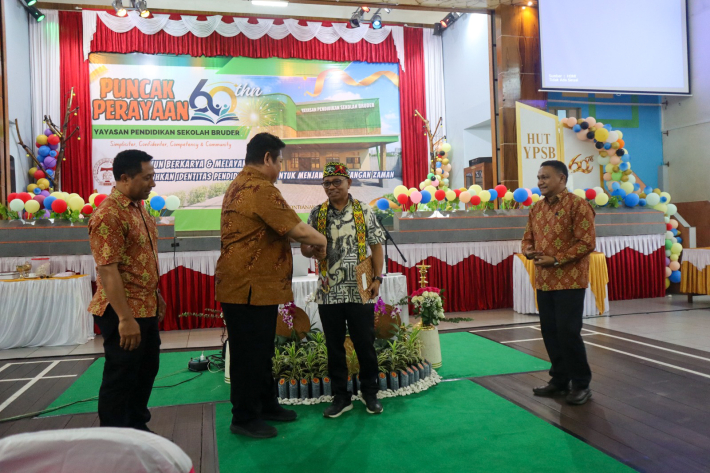
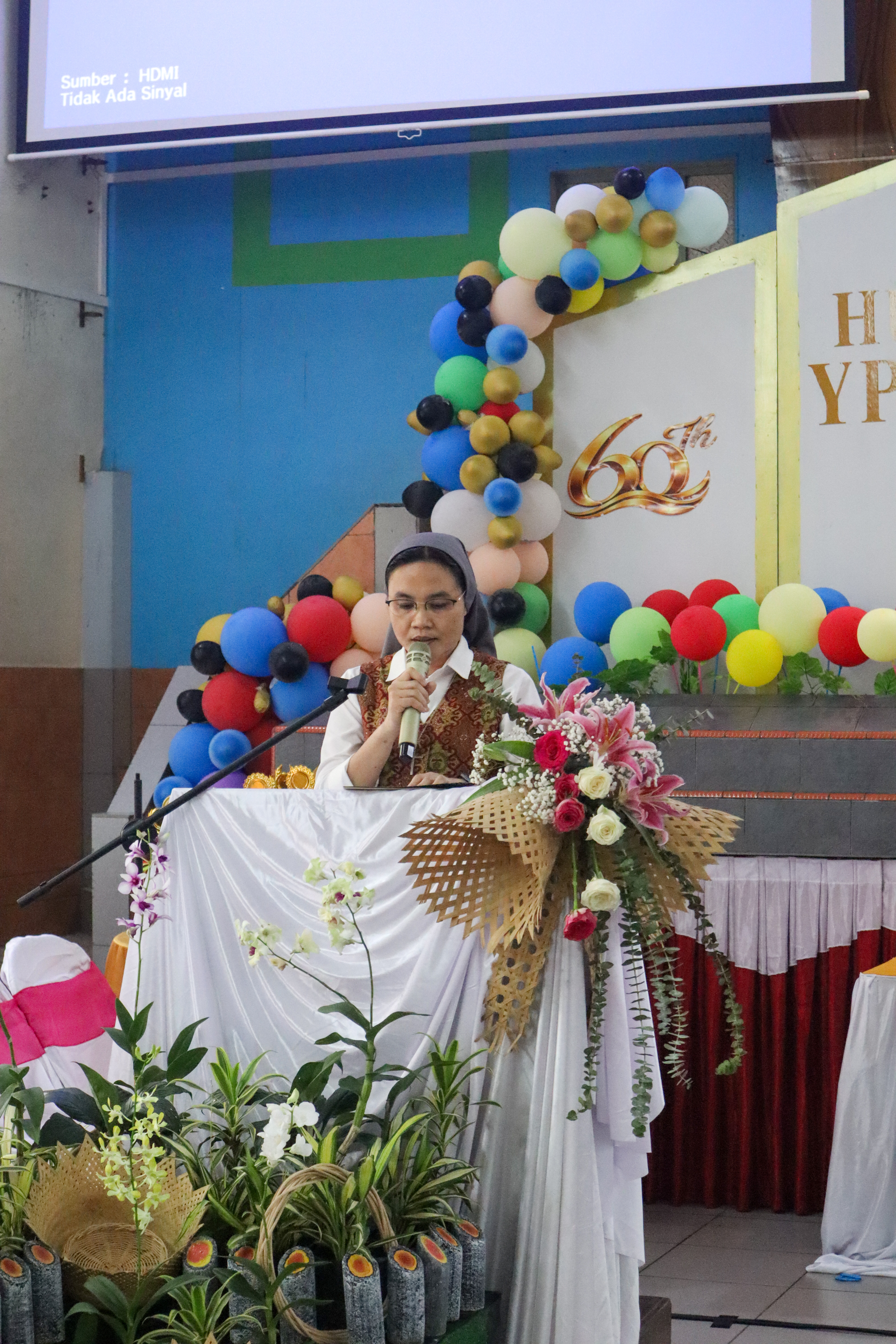
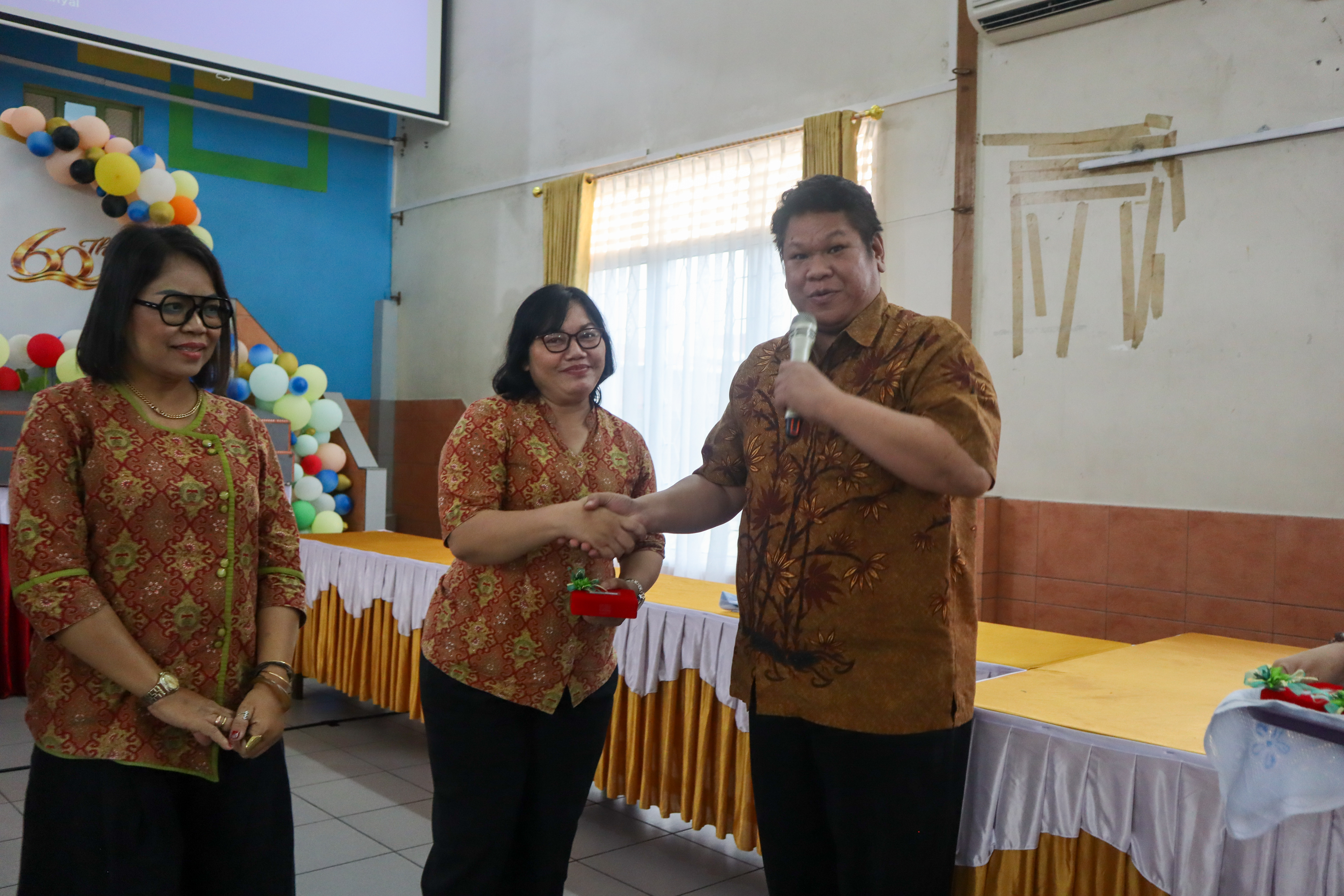
PONTIANAK, INDONESIA — As artificial intelligence rapidly reshapes the educational landscape, the Master’s Program in English Language Education (MPBI) at Universitas Sanata Dharma (USD) continues to demonstrate its commitment to educational transformation and community engagement. Under the official assignment of the Dean of the Faculty of Teachers Training and Education (FKIP USD Assignment Letter No. 537/FKIP/X/2026), Prof. Concilianus Laos Mbato, M.A., Ed.D., led an intensive teacher training workshop for junior and senior high school educators at Yayasan Pendidikan Persekolahan Bina Mulia (YPSB) Pontianak.
The workshop, organized in celebration of YPSB's 60th Diamond Jubilee, focused on synthesizing institutional identity with cutting-edge pedagogical frameworks under the theme: "Strengthening YPSB's 4 Core Values, Metacognitive Strategies, and HOTS Assessment in the Generative AI Era."
Anchoring Education in 4 Core Values and Metacognitive Mastery
The training commenced with a deep reflection on YPSB’s foundational pillars: Faith (Iman), Integrity (Integritas), Compassion (Bela Rasa), and Excellence (Keunggulan). Prof. Mbato emphasized that technology should serve as an amplifier of human values rather than a replacement for moral and intellectual agency.
To operationalize these core values in daily classroom practice, educators were introduced to Metacognitive Development—or "thinking about thinking"—and Self-Regulated Learning (SRL). Participants explored how metacognitive routines enable students to monitor their own learning trajectories, cultivate self-awareness, and maintain intellectual discipline when interacting with digital tools.
Mitigating AI Blind Spots and Constructing Authentic HOTS Assessment
A central highlight of the workshop addressed the critical challenges posed by Generative AI in modern education, specifically:
- The Erosion of Cognitive Autonomy: Preventing learners from passively outsourcing critical thinking to automated algorithms.
- The Illusion of Understanding: Countering shallow comprehension resulting from rapid, AI-generated answers.
- The Loss of Academic Resilience: Fostering perseverance when students encounter complex problem-solving tasks.
Prof. Mbato advocated for positioning AI strictly as a "Thinking Mirror"—a cognitive partner designed to stimulate reflection rather than execute student effort. Educators engaged in hands-on sessions crafting Higher-Order Thinking Skills (HOTS) items, authentic literacy and numeracy prompts, and three-dimensional holistic rubrics aligned with national educational standards and Catholic institutional character.
The program concluded with the formulation of a One-Month Action Plan, ensuring that teachers immediately implement metacognitive routines and refined assessment strategies in their respective schools.
- Empowering YPSB Pontianak Educators: Integrating 4 Core Values, Metacognition, and HOTS Assessment in the AI Era
- Navigating AI Integration in Education: MPBI USD Empowers Pringwulung Community and Educators
- Prodiakon Training Becoming a Living Witness of the Word
- MPBI Sharing Moment Brings Lecturers and Students Together to Strengthen the Spirit of MPBI Family
- Transforming EFL Education: Markus Budiraharjo's Storytelling and Reflective Mentoring Drive Success in NAM Pilot Program
- Juthatip Mingkun and Co-Researchers Explore Cross-Cultural Teaching Experiences in Thailand
- Caku and Co-Researchers Examine Code-Switching in Viewer Comments on Indonesian Educational YouTube Channel
- MPBI Students, Gabriela and Friends Publish Research Article in Journal of English Educational Study (JEES)
- MPBI Shares Ideas on SDG 4 and Educational Transformation at International Forum
- MPBI Opens 2026 Scholarship Programme for Outstanding Sanata Dharma Alumni