ALUMNI
Veronika Swanti: From Quiet Learner to Transformative Educator
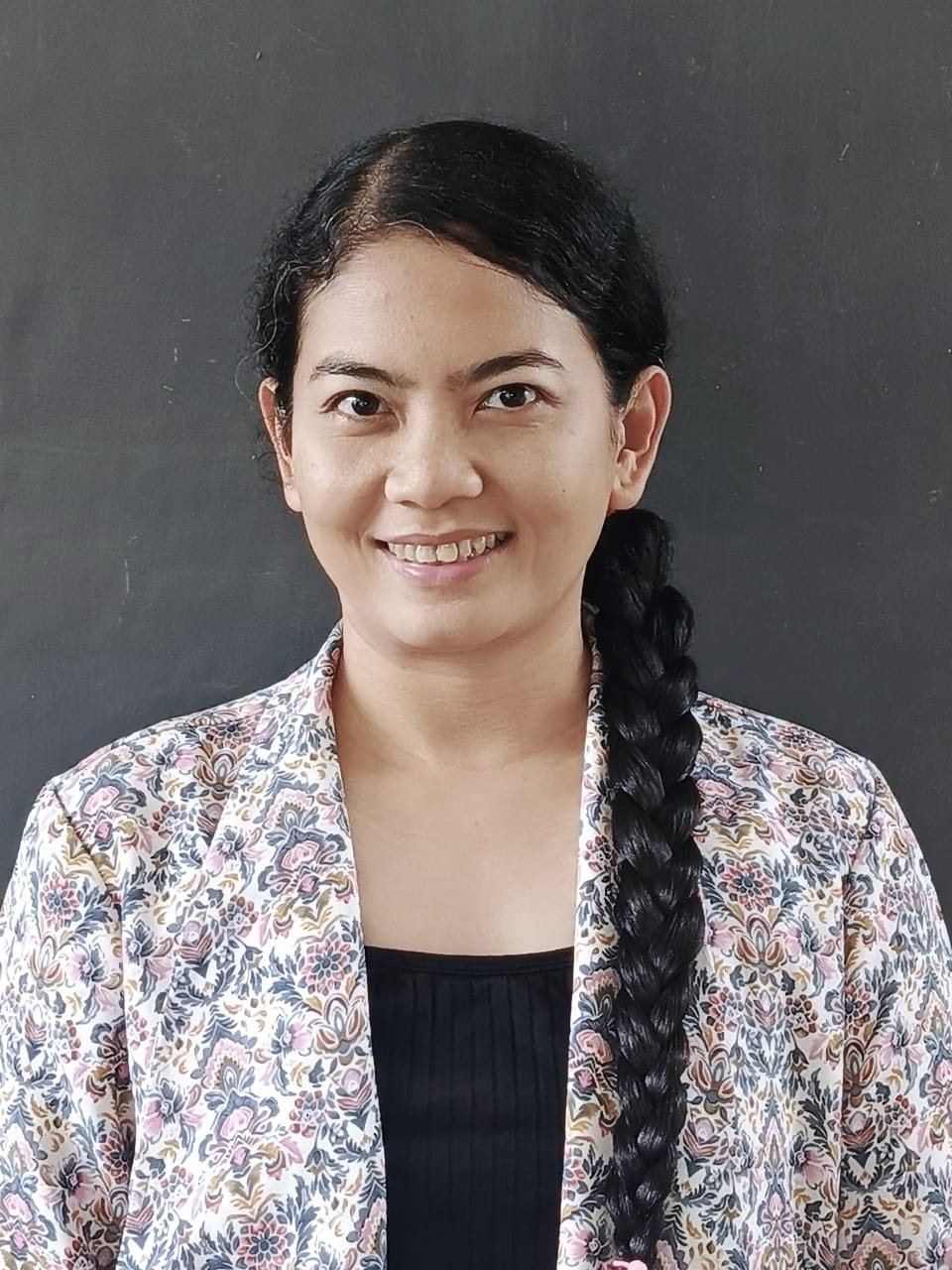
When Veronika Swanti returned to pursue her Master’s degree in English Education (MPBI), she joined the pioneering batch in 2016 with a sense of uncertainty. She earned her Bachelors of Education in English from English Education Study Program, Sanata Dharma University (2001-2005). Thus, after years away from academic life, she admitted that her intellectual confidence felt “a bit rusty.” Surrounded by younger, more theory-savvy classmates, she often found herself hearing educational terms and researcher names for the very first time. But instead of retreating, Veronika leaned in—with curiosity, humility, and determination.
Looking back, she sees MPBI not just as a study program but as a turning point. “I learned the importance of confidence, curiosity, and compassion,” she reflects, “and how those values were nurtured by my lecturers.” She began to find her voice—in public speaking, in trying out new teaching methods, and in managing her own learning journey. More importantly, she rediscovered her passion for teaching and began forming her professional identity.
Those values took Veronika far—and wide. Her career path has been anything but linear, yet each step built on the last: from front office staff to librarian, from assistant teacher to homeroom teacher, to curriculum coordinator, and most recently, acting principal overseeing Preschool to Senior High School, while still holding the roles of curriculum coordinator and homeroom teacher.
“I was lucky—and blessed—that the school I work in adopts the International Baccalaureate (IB),” Veronika says. The IB framework, especially the Primary Years Programme (PYP), aligned closely with the theories and practices she explored in MPBI—learner agency, growth mindset, grit, and reflective teaching. These weren’t just academic topics; they became the core of her educational mission.
Veronika now supports her Grade 5 and 6 students in developing voice, choice, and ownership over their learning. One of the highlights of this commitment was the 2025 PYP Exhibition, a culminating project under the transdisciplinary theme "How We Express Ourselves." Students collaborated in groups to explore real-world issues, conduct research, interview experts, and design interactive media to communicate their findings—many connecting their projects with the United Nations Sustainable Development Goals (UN SDGs).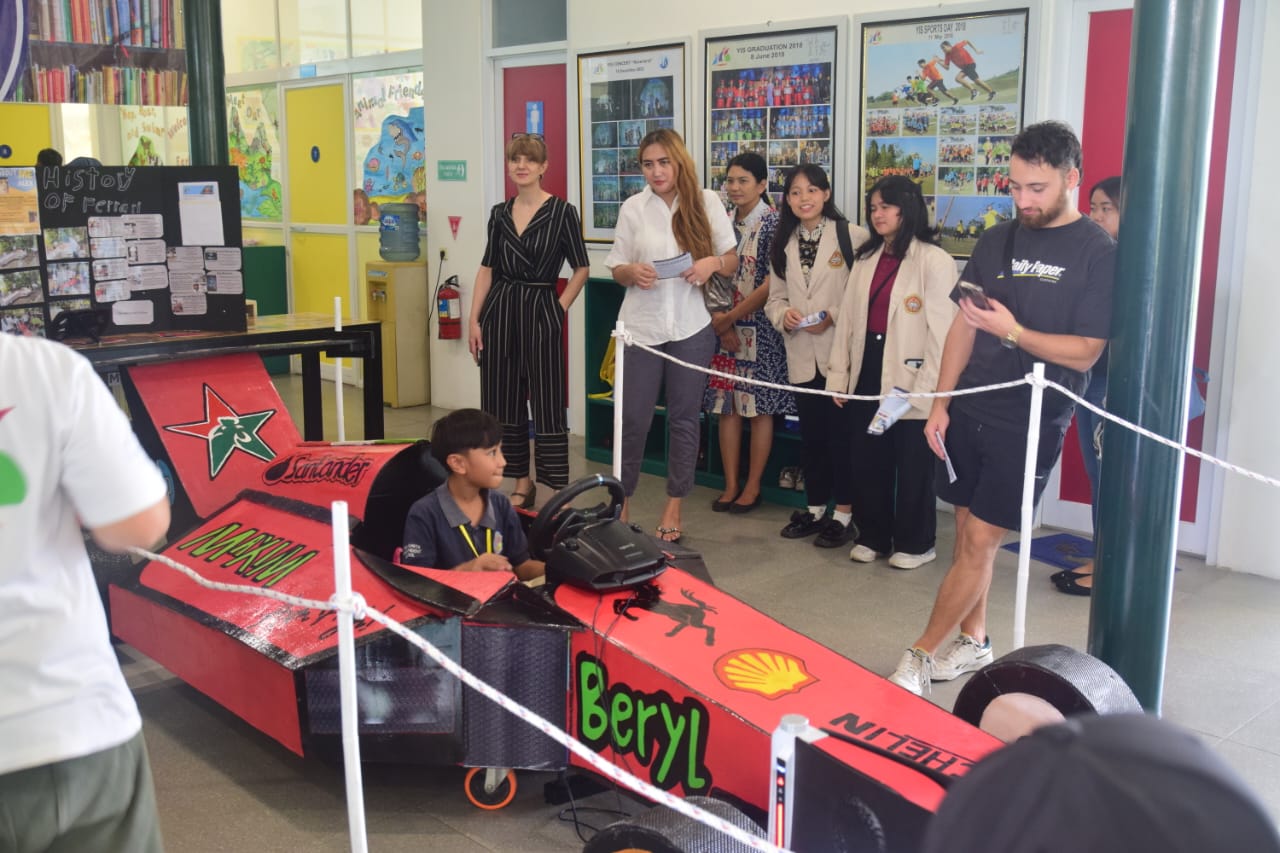
Some examples from the exhibition include:
Group 1 – Design (Maxim, Beryl, Alex): “The Science of Speed: Aerodynamics in F1” They built a model F1 car to demonstrate how science and design combine to create safe, efficient vehicles—aligning with SDG 9: Industry, Innovation, and Infrastructure.
Group 2 – Visual Arts (Kevin, Lynn): “The Connection Between Culture and Color” They created a mini theater and interactive mural to explore how cultures interpret colors—linking with SDG 4: Quality Education.
Group 3 – Fine Arts (Ajeela): “The Evolution of Painting Styles Through History” She curated a personal gallery highlighting art’s role in addressing health, environmental, and social issues—supporting SDG 11: Sustainable Cities and Communities.
Group 4 – Music (Isabel, Michelle): “Music as a Universal Language” Through a curated studio experience, they showed how music can foster emotional well-being and connection—contributing to SDG 3: Good Health and Well-being..png)
For Veronika, these student-led projects embody what she believes most deeply: “Meaningful learning happens when students are given the opportunity to explore their interests, reflect on their learning, and express their ideas in their own way.” This philosophy echoes her own MPBI experience—where self-regulated learning, inquiry, and personal responsibility were not only encouraged but expected. “Those were hard skills to develop,” she admits, “but they’re exactly the skills I’ve needed—in the classroom, in leadership, and in life.” (eMBi)