NEWS
Beyond Words: Dr. Lydia Catedral Explores Language and Materiality at Sanata Dharma University Seminar

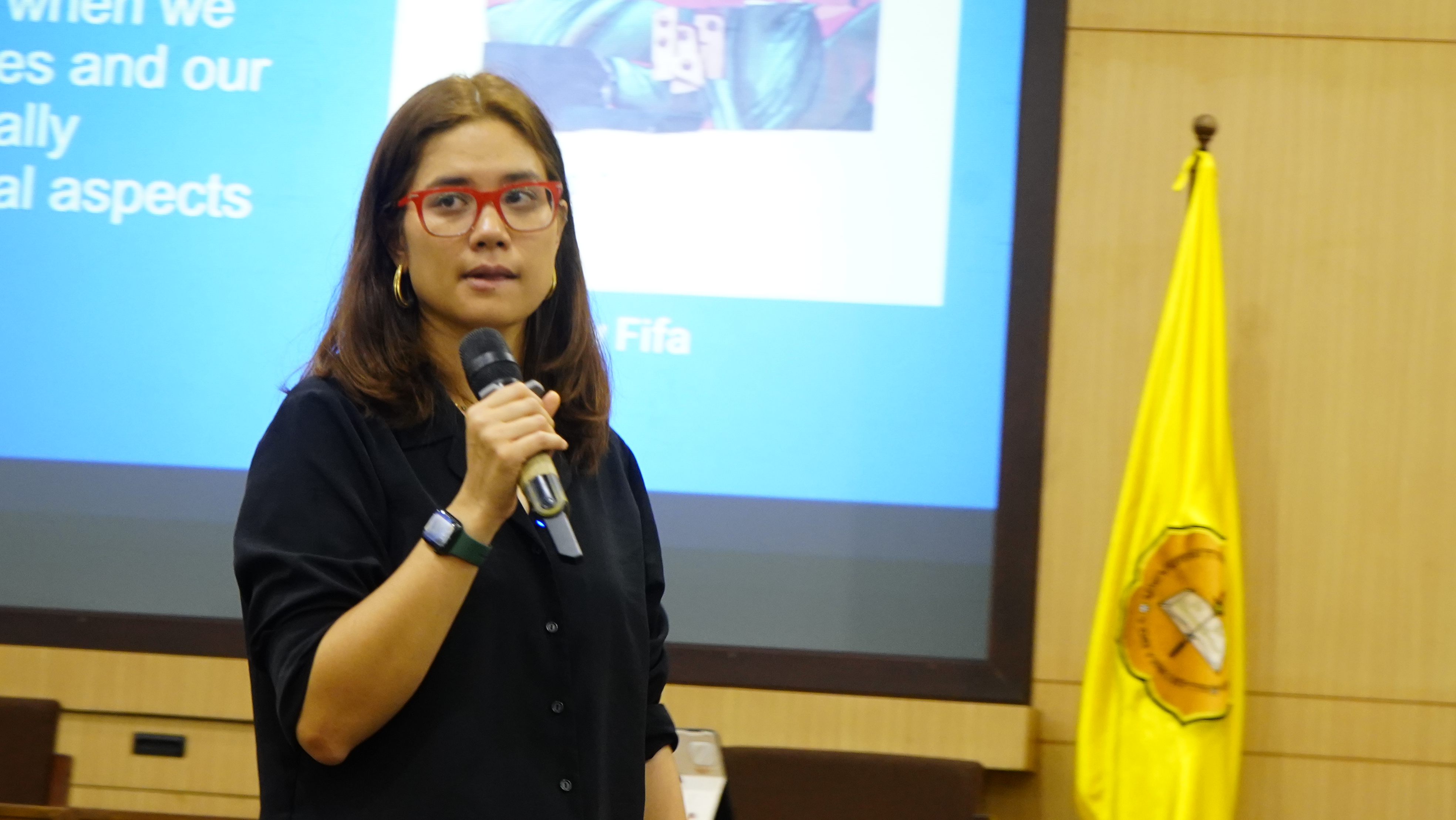
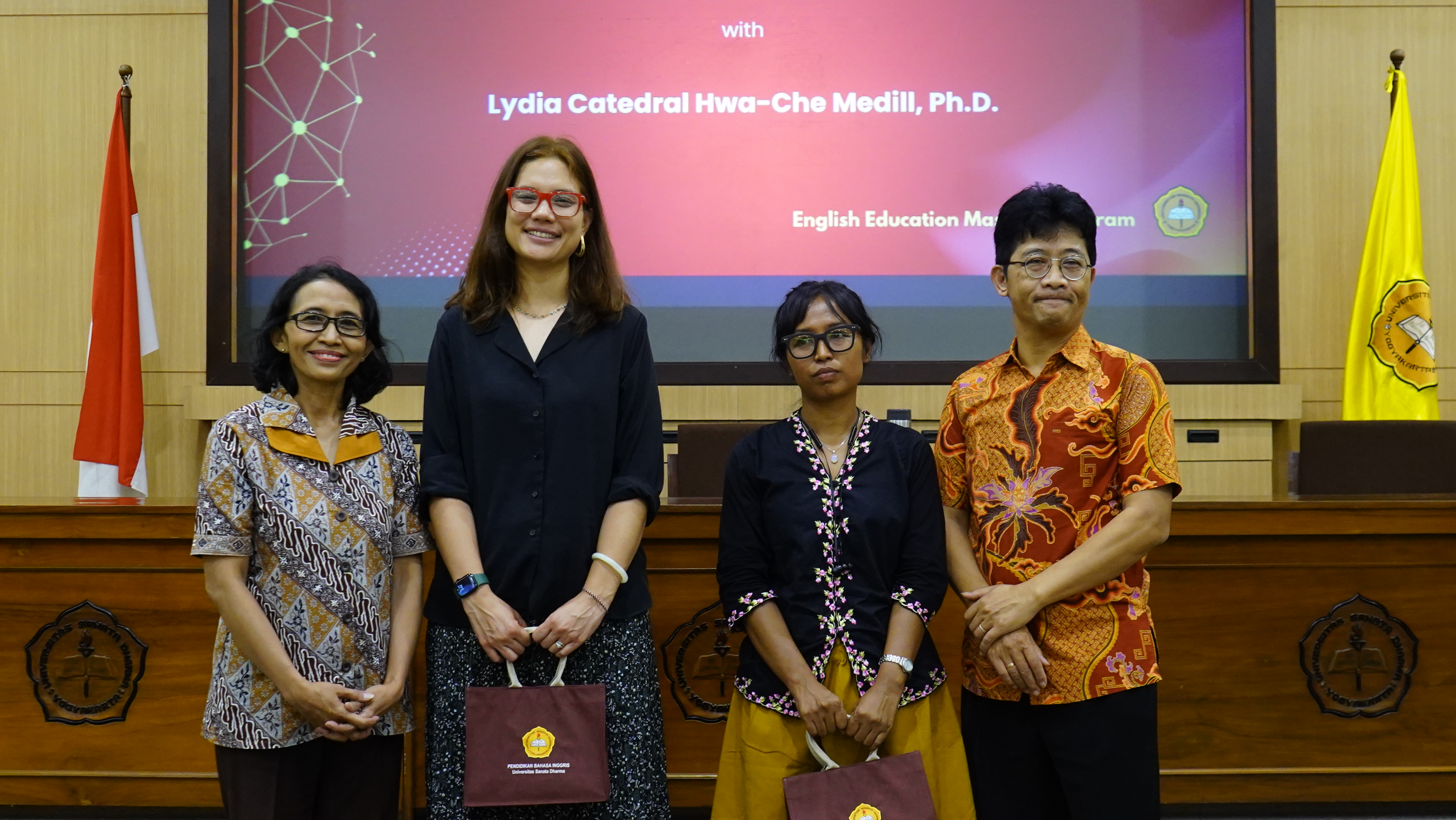
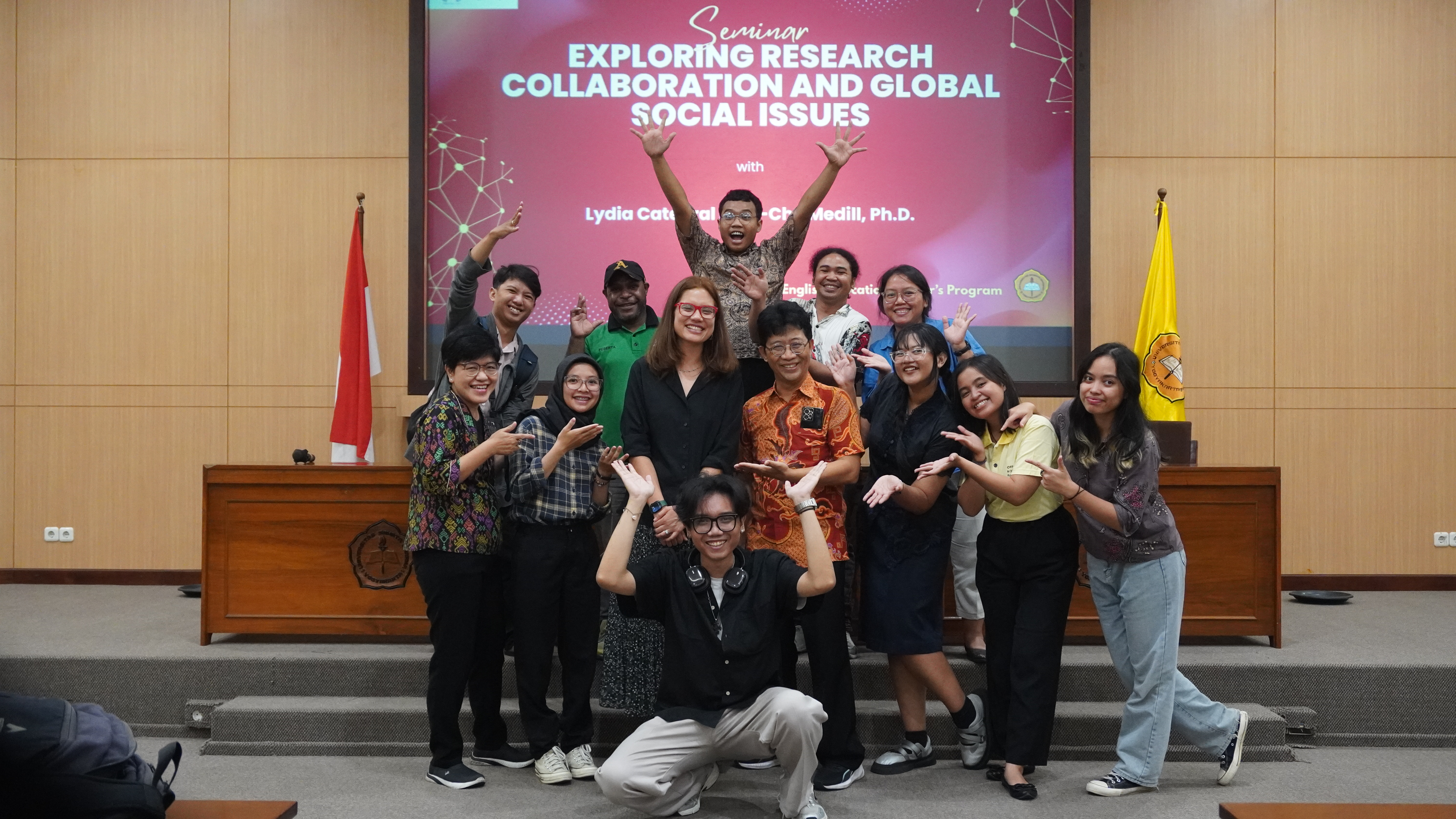
YOGYAKARTA – On April 17, 2026, English Education Study Programs (both Undergraduate and Masters), Sanata Dharma University, hosted a transformative academic seminar featuring Dr. Lydia Catedral from The Hong Kong Polytechnic University. In her presentation, titled "The material context of language and the expertise of grassroots migrants: Implications for community-based applied linguistics," Dr. Catedral challenged scholars to rethink the purpose of linguistic intervention in marginalized communities.
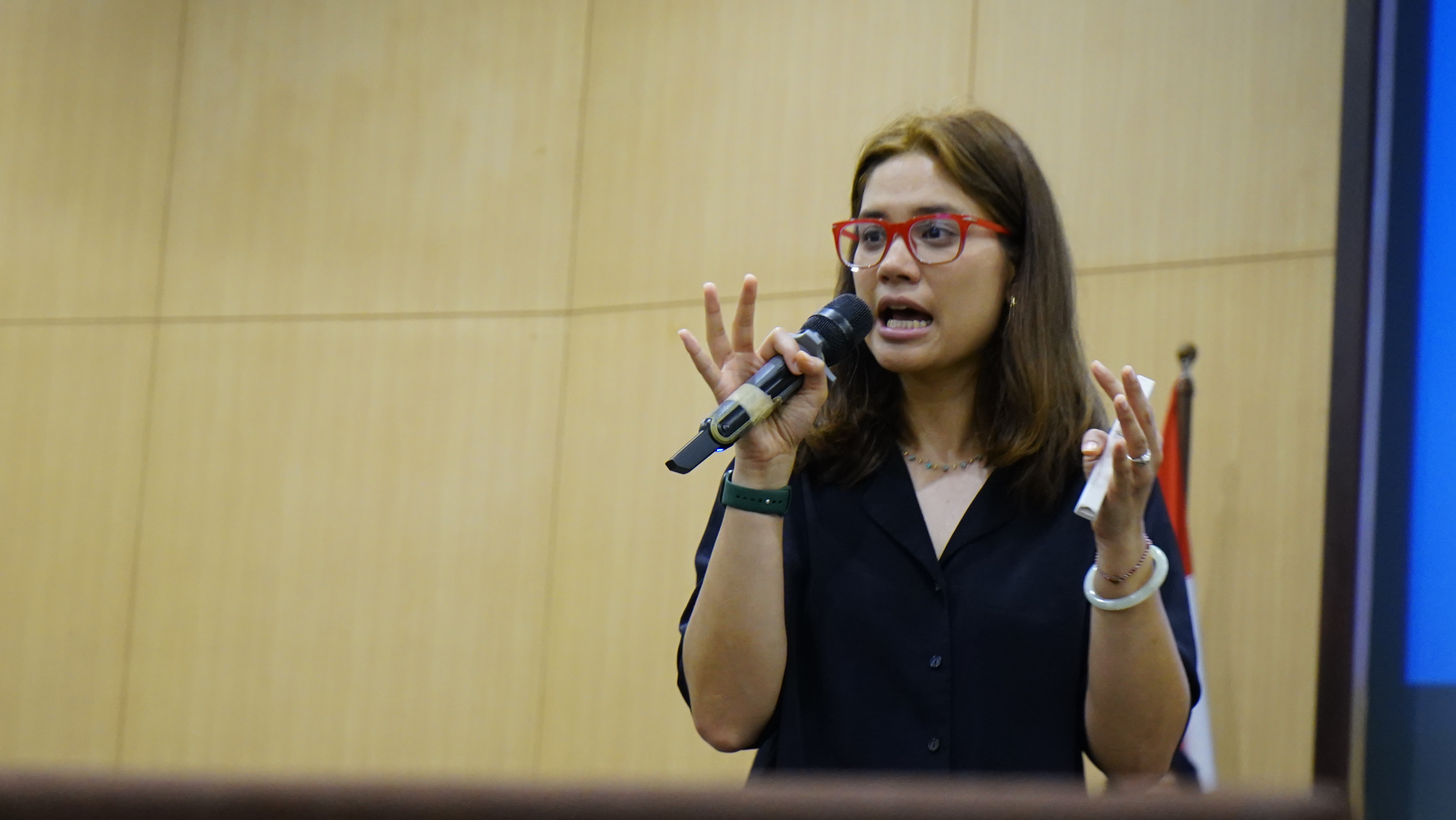
In his opening speech, Markus Budiraharjo, Ed.D., Head of English Education Master’s Program, invited all participants to think beyond their daily life. “Let’s imagine, more than 5 million Indonesian migrants are currently living abroad. Many are too susceptible to external forces. They may gain what they dream of, which is money. Does gaining enough money guarantee their better future as they wish? The truth is: things get more complicated, and no single explanation can describe the dynamics of living abroad as migrant workers. Another critical question is, on what basis are we entitled to address complex issues of migrant workers - especially given the fact that we “only” study English? Let’s welcome Dr. Catedral’s investigations.”
Redefining Applied Linguistics
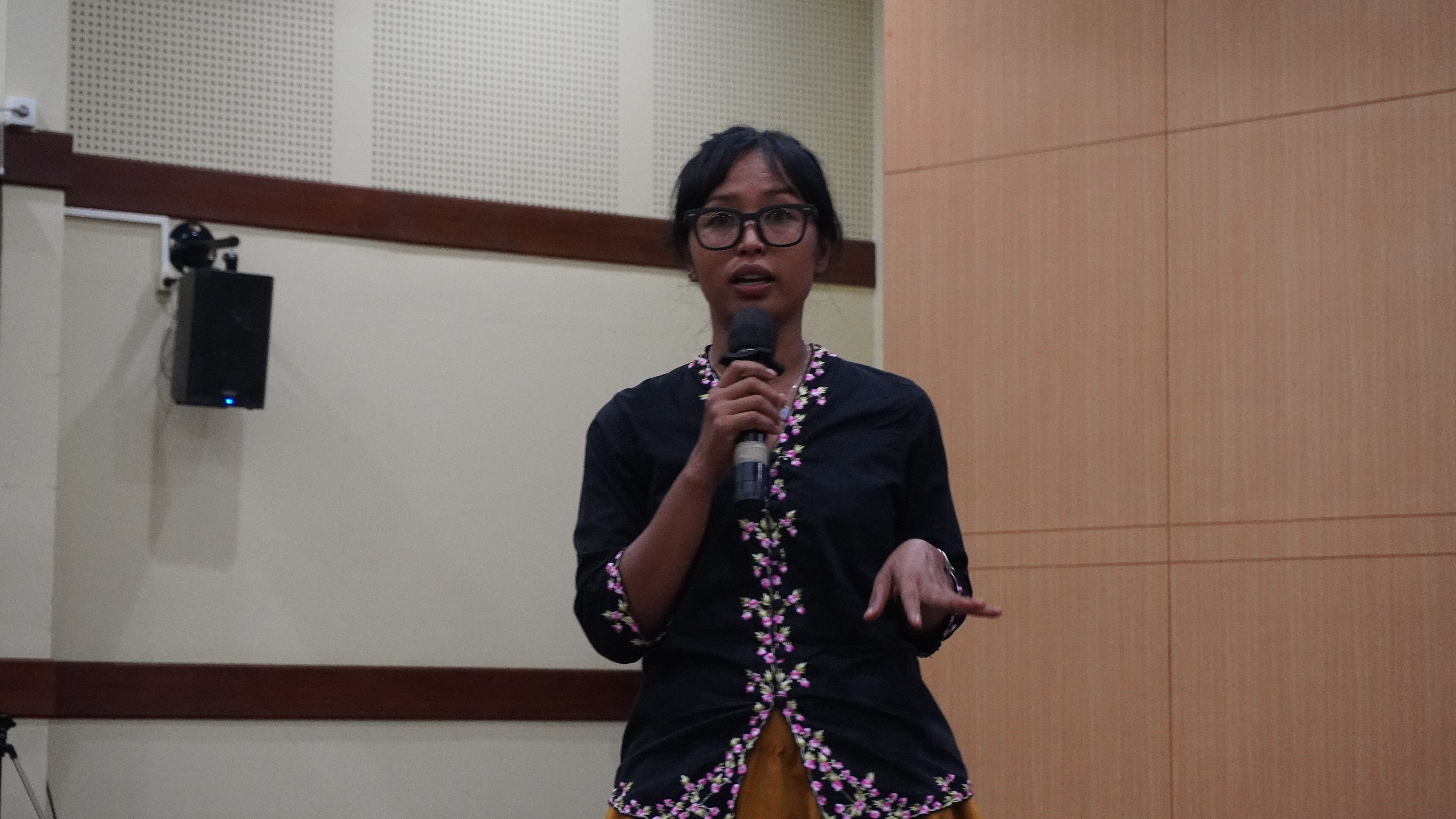
Dr. Catedral opened her session by questioning the traditional definition of applied linguistics. While the field typically focuses on using knowledge about language to solve real-world problems, she asked a critical question: “Whose problems are we trying to solve? And for what purpose?”.
She introduced the concept of Community-Based Applied Linguistics, which prioritizes achieving purposes for marginalized people. According to Dr. Catedral, this work involves three key pillars:
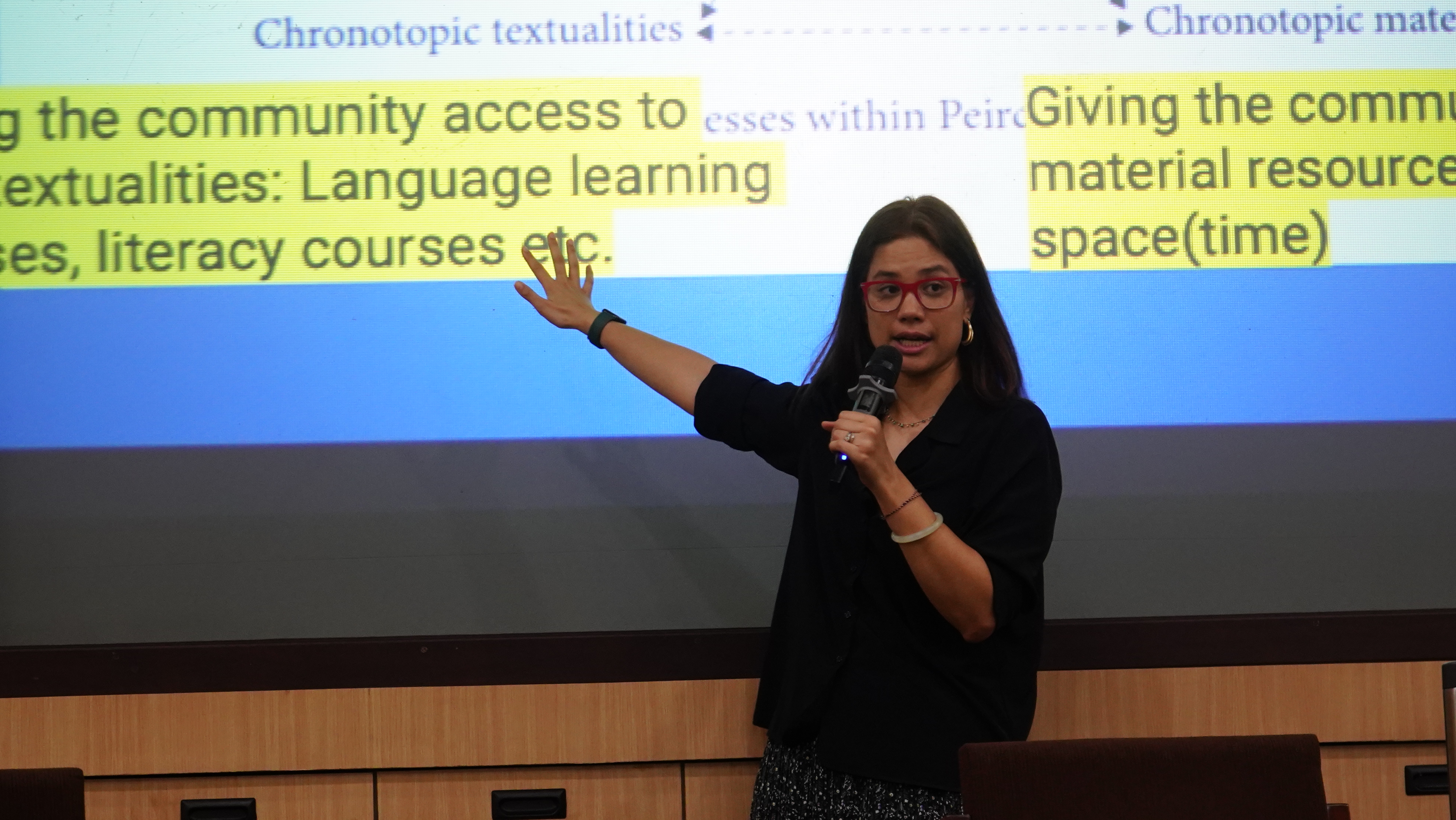
1. Providing access to new forms of language, such as literacy projects for children in Indonesia or English programs for migrant workers in Hong Kong.
1. Providing access to new forms of language, such as literacy projects for children in Indonesia or English programs for migrant workers in Hong Kong.
2. Changing how we think about language by letting marginalized perspectives—such as "non-standard" English or translanguaging—influence academic frameworks.
3. Providing material support beyond language, which Dr. Catedral identified as a vital but often overlooked component.
The Role of Materiality and "Space-Time"
A central theme of the seminar was the material context of migrants. Drawing on her research with grassroots migrant domestic worker-led organisations in Hong Kong, Dr. Catedral argued that inequalities are often not primarily about language, but about class struggle and material hardships. She quoted activist Eni Lestari, who noted that for many workers, language is "very secondary" compared to the struggle for truth and government accountability regarding their living conditions.
To address this, Dr. Catedral proposed a holistic approach using the concept of "chronotopes" (space-time). She highlighted the success of "MicroLab" at PolyU, a dedicated space that provides migrant workers with stable resources and equipment. This physical "space-time" allows workers to distribute their own expertise, develop new grassroots discourses, and build communities of solidarity.
Resounding Success and Future Outlook
The seminar received overwhelmingly positive feedback from the participants at Sanata Dharma University, who described the session as "inspirational," "insightful," and "intellectually engaging". Attendees specifically praised Dr. Catedral’s use of clear, communicative English and real-life examples, which made complex theoretical concepts accessible.
Despite the high level of satisfaction, the session sparked a desire for even deeper engagement. Participant recommendations included:
1. Increased Frequency: Many hoped the seminar would evolve into a regular lecture series or a sustained academic program.
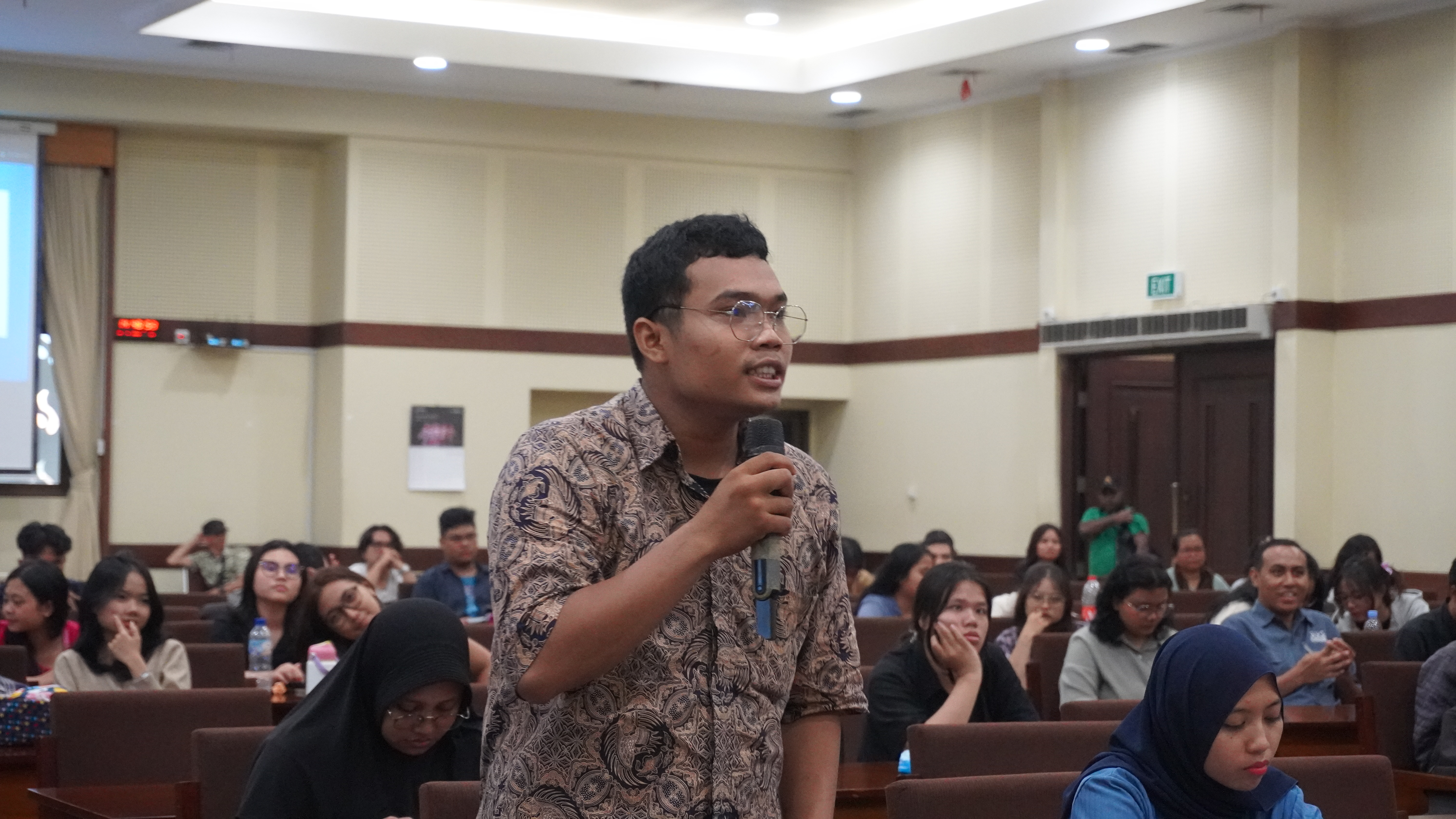
2. Enhanced Interaction: Several noted that the Q&A session was too short, suggesting a need for more time to engage directly with the speaker.
3. Pedagogical Refinement: Suggestions were made to include warm-up activities and end-of-session summaries to further reinforce learning.
Dr. Catedral concluded her talk with a message of hope, encouraging the audience to find or create communities where they can use their academic training to build meaningful relationships of solidarity with grassroots people. As the university looks forward, the feedback suggests a clear opportunity to institutionalise this initiative, transforming it into a more impactful and enduring academic platform.
- Juthatip Mingkun and Co-Researchers Explore Cross-Cultural Teaching Experiences in Thailand
- Caku and Co-Researchers Examine Code-Switching in Viewer Comments on Indonesian Educational YouTube Channel
- MPBI Students, Gabriela and Friends Publish Research Article in Journal of English Educational Study (JEES)
- MPBI Shares Ideas on SDG 4 and Educational Transformation at International Forum
- MPBI Opens 2026 Scholarship Programme for Outstanding Sanata Dharma Alumni
- Becoming a Living Witness: Master’s Program of English Education, Sanata Dharma University Professor Empowers Lay Ministers in St. Maria Assumpta, Parish, Gamping Through Public Speaking Workshop
- Exploring the Responsible Use of Generative AI in Education: MPBI Hosts National Webinar on Ethics, Practices, and Collaboration
- English Mastery and Mindful Pedagogy: Sleman Educators Navigate Digital Friction at SMAN 2 Ngaglik
- Generative AI for Education: Ethics, Practices, and Collaboration
- Inspiring Story: Teacher Yooyee’s Transformative Learning Journey in Yogyakarta