NEWS
Advancing Justice and Safety Through PPKPT Socialization at Sanata Dharma University
.JPG)
Mandatory PPKPT Socialization Reinforces Commitment to Inclusive Learning Across Study Programs
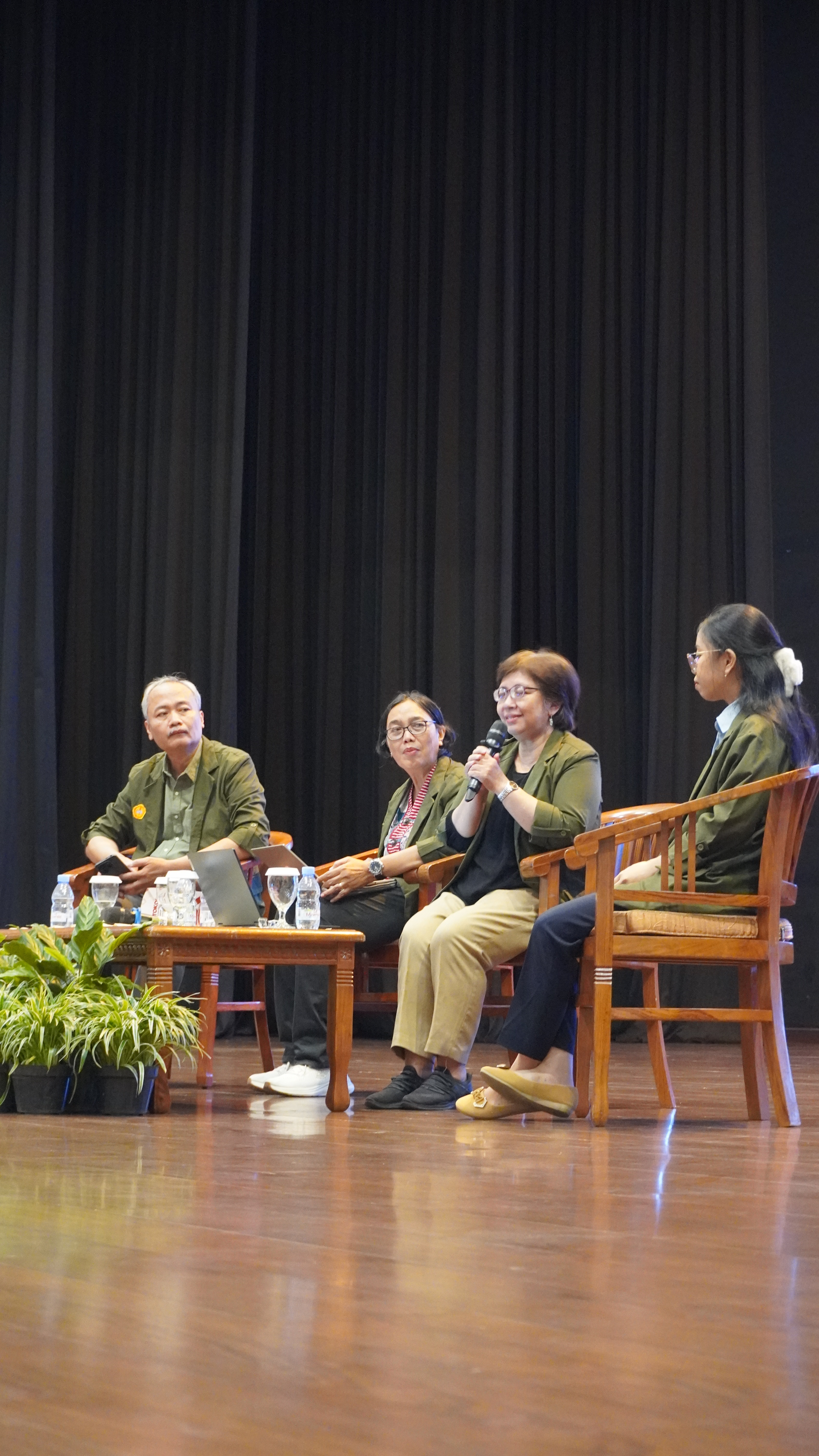
A mandatory Socialization of PPKPT Pencegahan dan Penanganan Kekerasan di Perguruan Tinggi (Prevention and Handling of Sexual Violence) was held on Thursday, March 26, 2026, from 11.00 to 13.00 WIB at the Driyarkara Auditorium of Sanata Dharma University. Organized at the university level, the event involved active students from Pendidikan Bahasa dan Seni (PJBS), MPB Indonesia, the History Study Program, and the Master’s Program in English Language Education (MPBI), reflecting a collective commitment to fostering a safe and inclusive academic environment.
At its core, the activity highlighted a shared vision of building a just community, one that respects diversity, upholds human dignity, and consistently promotes fairness in academic life. This commitment is reflected in the principle that MPBI ensures the establishment of a just community by always valuing diversity, upholding humanitarian values, and advocating for justice. In this context, the implementation of PPKPT is not merely a regulatory requirement, but a real and ongoing commitment. The implementation of PPKPT protocols is not just a symbolic step, but a concrete effort to create a psychologically secure learning atmosphere.
From Policy to Practice
Rather than positioning PPKPT as a formal obligation, the session emphasized its role as a living framework within the campus. As a university-wide initiative, the program strengthened awareness of violence prevention and response mechanisms in higher education. Students were encouraged to understand that maintaining a safe space is a shared responsibility, requiring awareness, sensitivity, and active participation from all members of the academic community.
The session provided comprehensive insights into institutional policies, reporting procedures, and support systems related to the prevention and handling of violence. These elements were framed as essential tools to ensure that every student feels protected and empowered within the learning environment.
Critical Engagement and Reflection
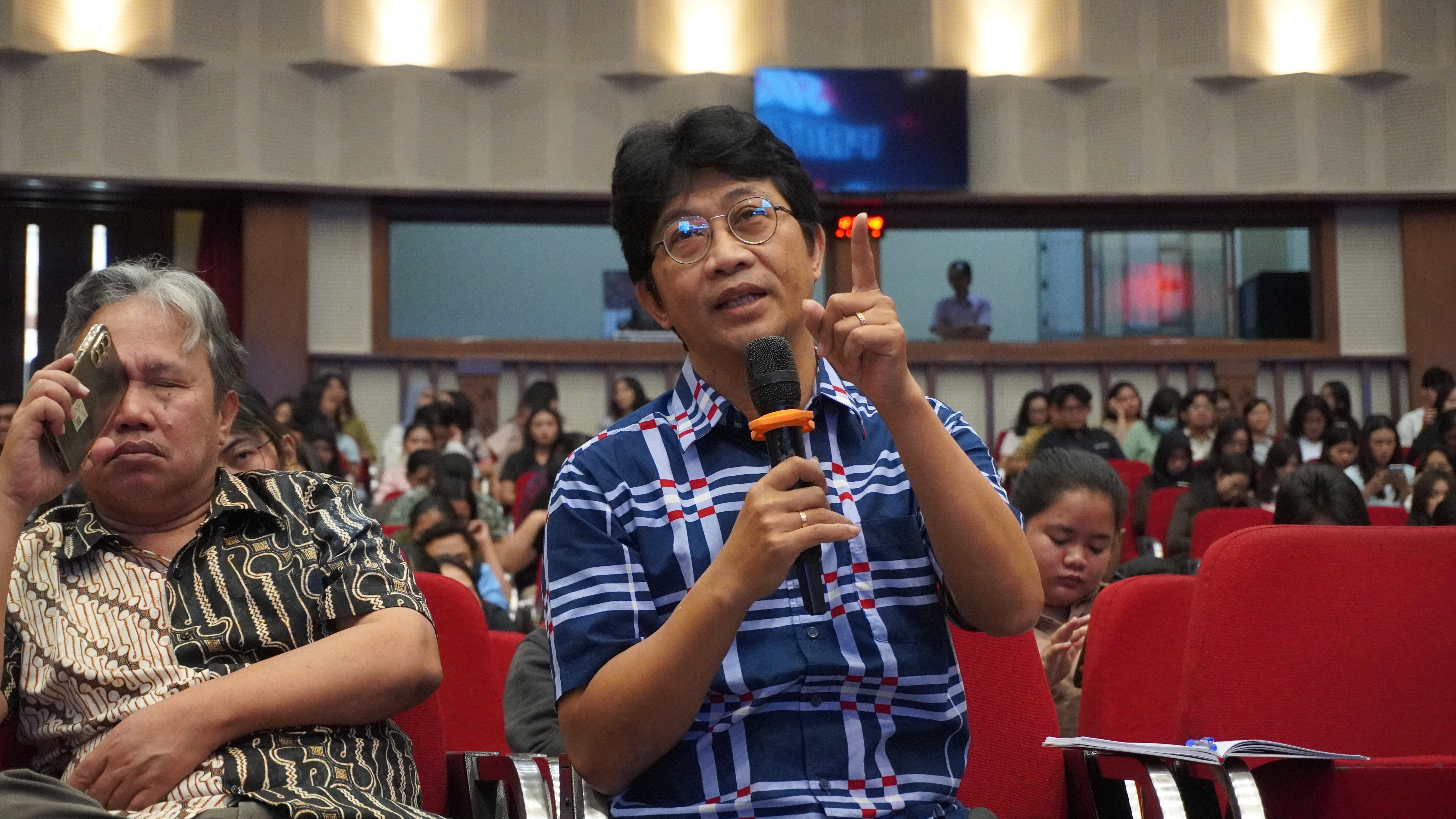
The discussion became more dynamic during the question-and-answer session, where participants raised critical perspectives. Markus Budiraharjo highlighted the importance of consistency in terminology within the PPKPT guidebook, emphasizing that precise language plays a crucial role in representing sensitive cases accurately and avoiding misinterpretation.
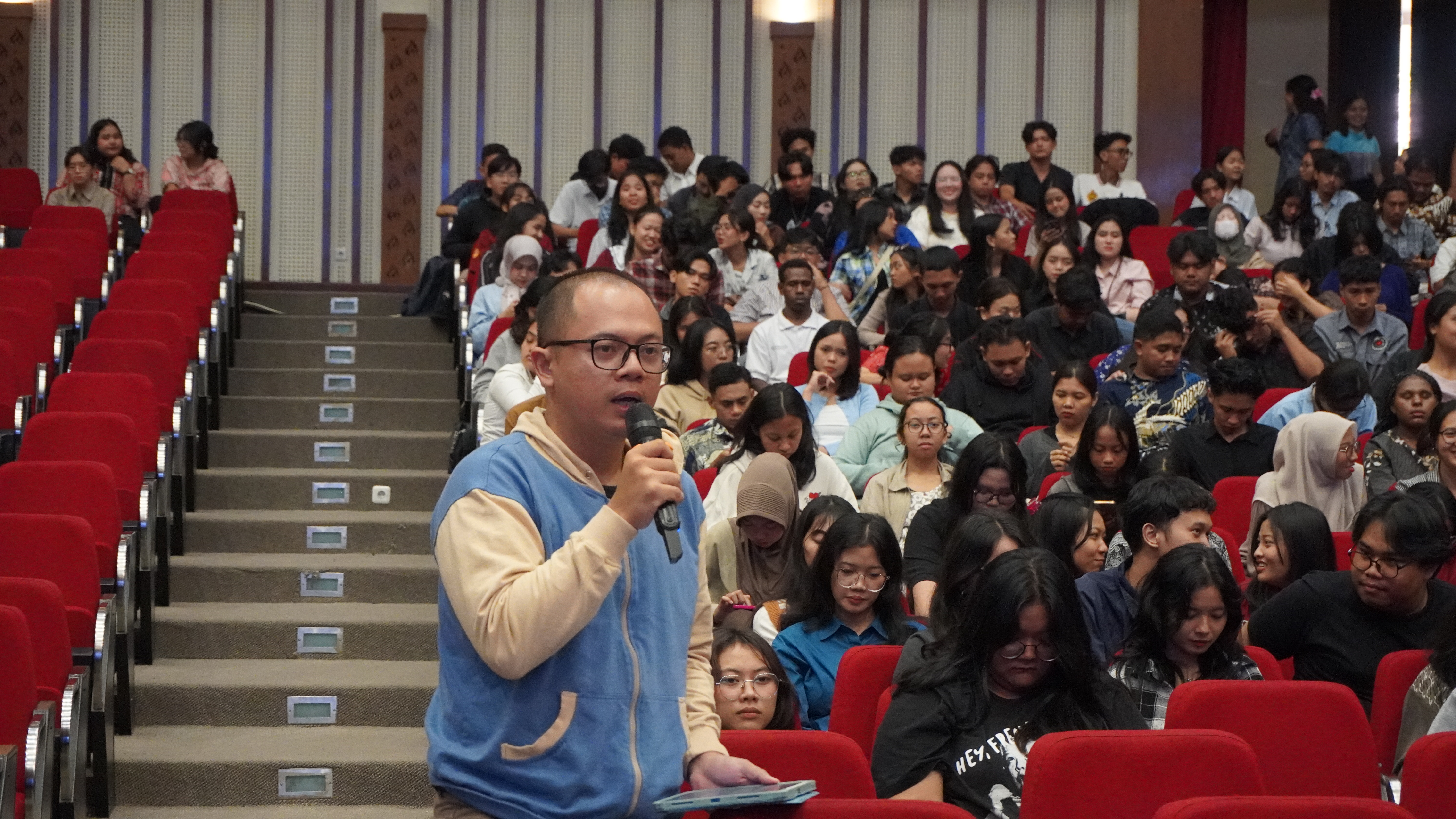
An MPBI student, Khariton, also raised a thought-provoking question regarding whether individuals accused of violence are entitled to proper defense and the protection of their rights. This perspective encouraged a deeper discussion on justice, ethics, and due process within the framework of PPKPT.
Embedding Values in Academic Culture
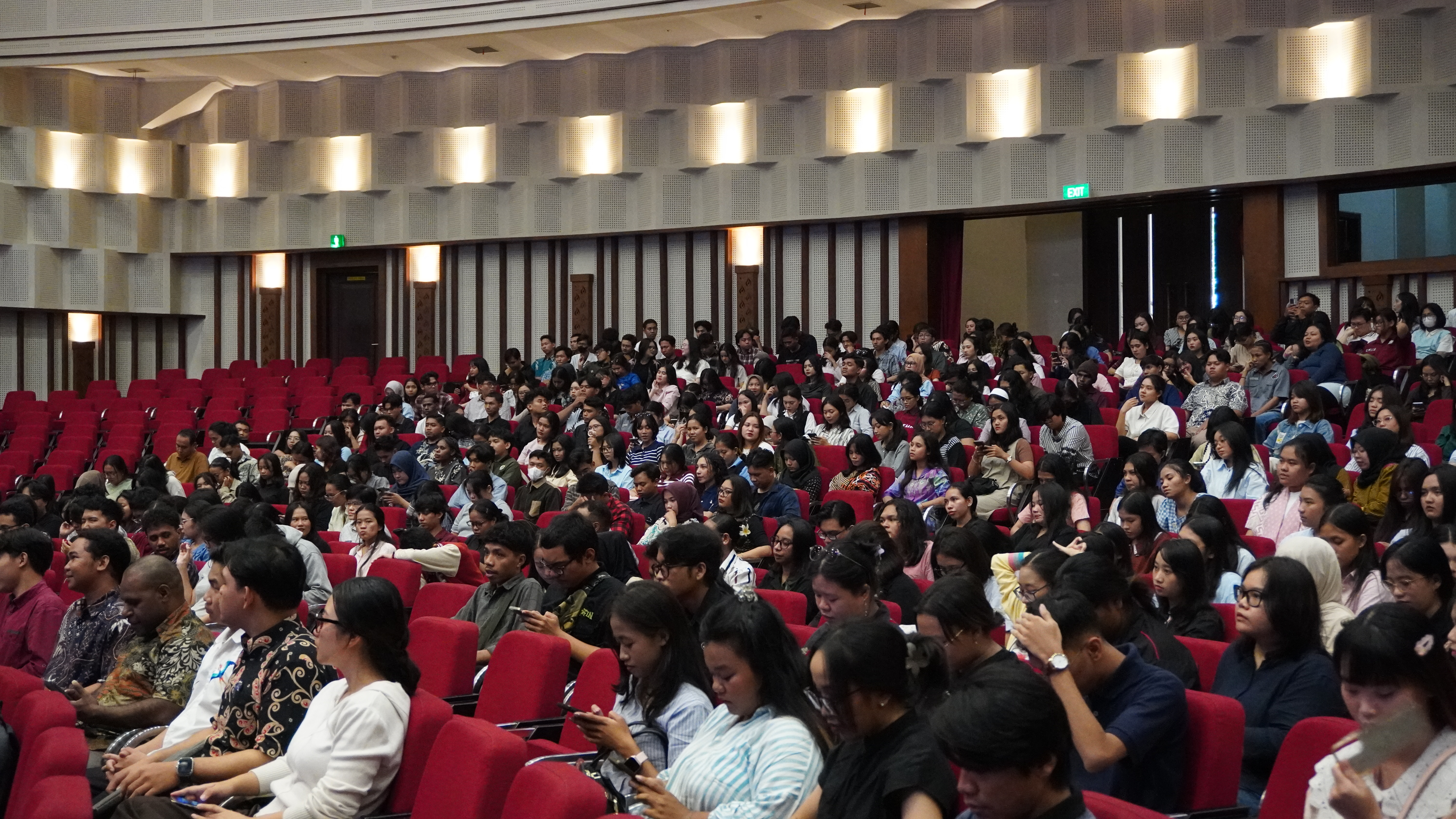
The socialization also served as a platform to reaffirm the foundational values upheld across the participating study programs. Respect for diversity and commitment to humanitarian principles were positioned as inseparable from academic excellence. The atmosphere throughout the session remained attentive and reflective, with participants actively engaging in both listening and discussion, contributing to a deeper understanding of the complexities surrounding violence prevention in academic settings.
Ensuring Full Participation
As a compulsory event, all active students were required to attend. Those unable to participate in this session will be accommodated in future sessions, which will be announced at a later time. Registration was conducted through a QR code system to ensure accessibility and efficiency.
A Step Toward Sustainable Change
Through this initiative, PJBS, MPB Indonesia, the History Study Program, and MPBI demonstrate that creating a safe academic environment is not a one-time effort but a continuous process. The PPKPT socialization served not only as an informative session but also as a meaningful step toward reinforcing a culture of awareness, responsibility, and care, ensuring that the campus remains a safe, inclusive, and respectful space for all members of the academic community.
- Juthatip Mingkun and Co-Researchers Explore Cross-Cultural Teaching Experiences in Thailand
- Caku and Co-Researchers Examine Code-Switching in Viewer Comments on Indonesian Educational YouTube Channel
- MPBI Students, Gabriela and Friends Publish Research Article in Journal of English Educational Study (JEES)
- MPBI Shares Ideas on SDG 4 and Educational Transformation at International Forum
- MPBI Opens 2026 Scholarship Programme for Outstanding Sanata Dharma Alumni
- Becoming a Living Witness: Master’s Program of English Education, Sanata Dharma University Professor Empowers Lay Ministers in St. Maria Assumpta, Parish, Gamping Through Public Speaking Workshop
- Exploring the Responsible Use of Generative AI in Education: MPBI Hosts National Webinar on Ethics, Practices, and Collaboration
- English Mastery and Mindful Pedagogy: Sleman Educators Navigate Digital Friction at SMAN 2 Ngaglik
- Generative AI for Education: Ethics, Practices, and Collaboration
- Inspiring Story: Teacher Yooyee’s Transformative Learning Journey in Yogyakarta