NEWS
Global ELT Expert Visits Sanata Dharma, Highlights AI Challenges and Social Justice in Language Education
YOGYAKARTA – As artificial intelligence continues to reshape classrooms worldwide, a leading global expert in English Language Teaching (ELT) urged Indonesian educators to look beyond technology and focus on research rigor, ethics, and social justice.
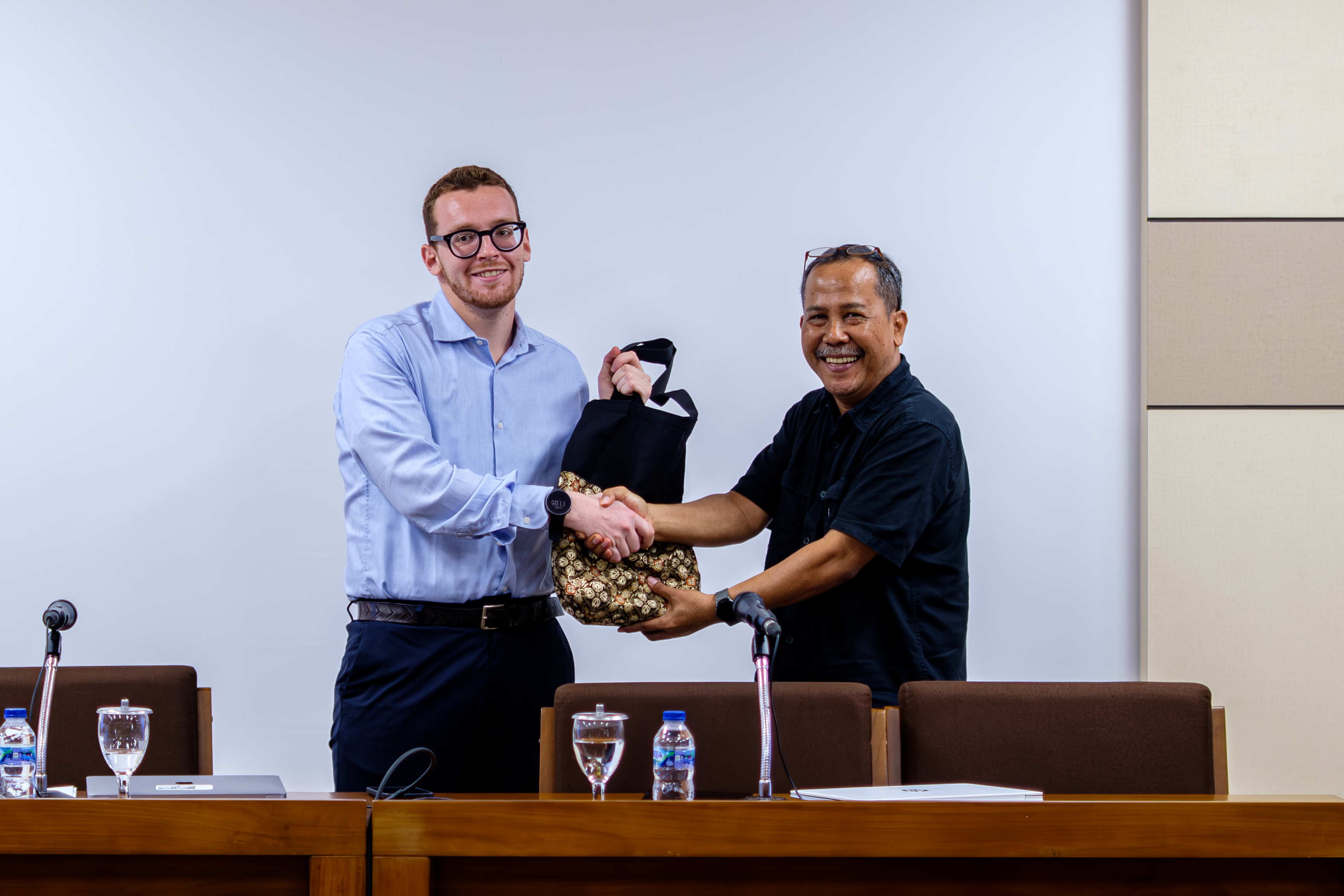
On 4 February 2026, Peter I. De Costa, professor at Michigan State University (MSU), delivered a high-profile academic visit to Universitas Sanata Dharma, engaging lecturers and students from its English Language Education programs (PBI & MPBI).
His message was clear: the future of English education is not just about mastering AI tools—it is about navigating identity, power, and global inequities in an increasingly digital world.
English Teaching Is No Longer Just About Grammar
Drawing on recent studies published in TESOL Quarterly, Prof. De Costa explained that English teaching across Asia is undergoing a profound shift. Language classrooms, he said, are no longer neutral spaces focused solely on grammar and vocabulary. They are arenas where issues of identity, intercultural competence, and social justice unfold.
He outlined four major developments shaping the field:
Innovative Pedagogies – Including translingual practices and Global Englishes approaches that move beyond the traditional “native-speaker” model.
Critical Perspectives – Efforts to decolonize academic writing and challenge power imbalances in digital spaces.
Teacher and Learner Emotions – Growing recognition that identity and emotional well-being directly affect learning outcomes.
Teacher–Researcher Collaboration – Stronger partnerships between classroom practitioners and academic researchers.
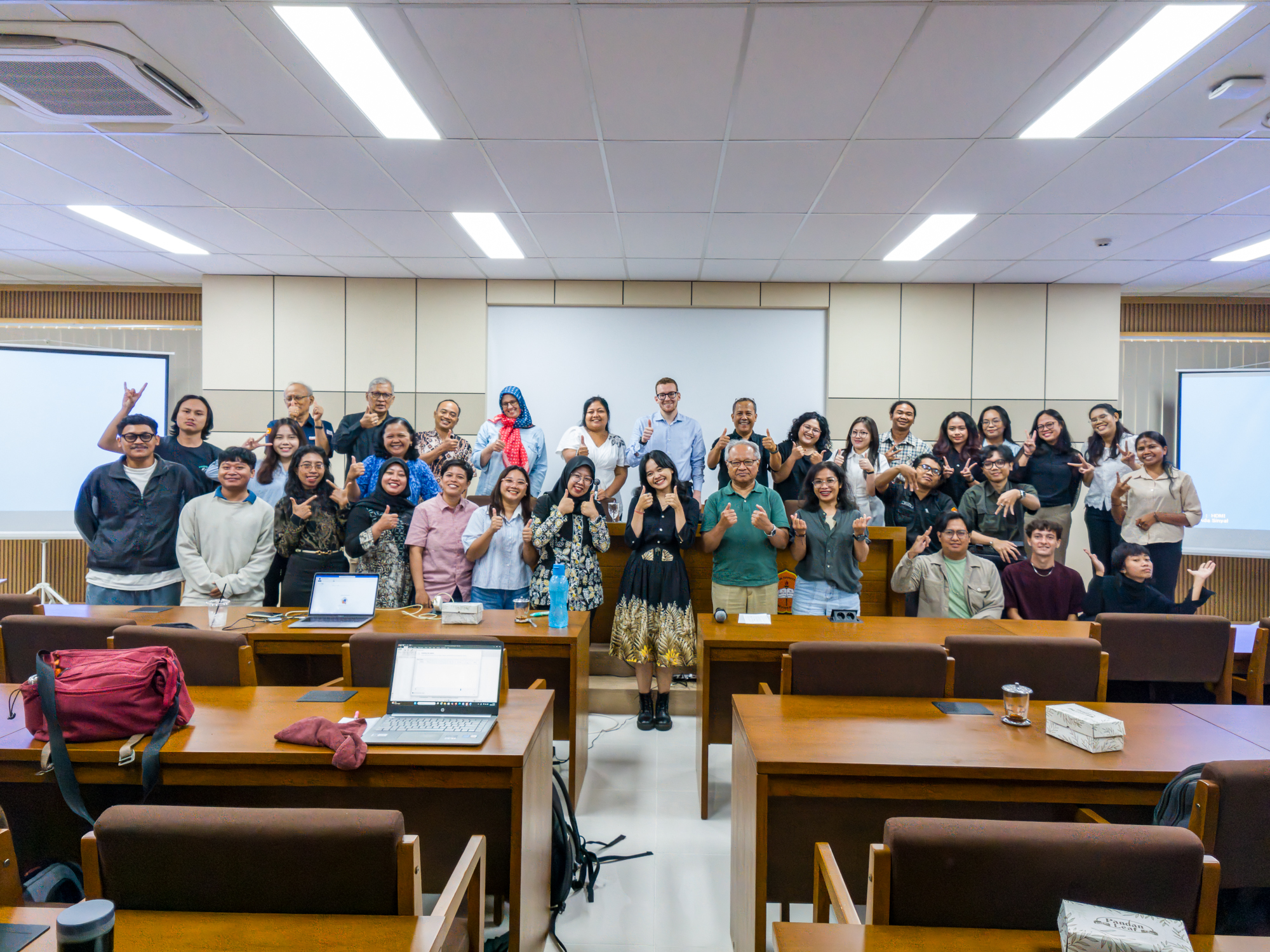
“Technology alone will not solve structural challenges in education,” he emphasized during discussions with faculty members.
The Real AI Challenge in Indonesia
While public discourse often centers on access to artificial intelligence, Prof. De Costa offered a different perspective. In Indonesia and other Global South contexts, the main barrier is not the availability of AI tools—but the need for stronger research mentorship and clearer pathways toward international publication.
He referenced a framework developed by Lucas Kohnke outlining five essential competencies for AI-informed language teaching, including technical proficiency, pedagogical integrity, inclusivity, critical AI literacy, and ethical data practices.
The takeaway: educators must develop the capacity to evaluate AI critically rather than adopt it unreflectively.
Inspiring Students to Go Global
In the afternoon session, Prof. De Costa shifted focus to students, outlining international admission opportunities at Michigan State University and encouraging participants to consider global academic mobility.
More importantly, he introduced students to Action Research, a practical research model that empowers teachers to investigate and solve real classroom problems systematically. Using the framework of Anne Burns, he explained the four stages of Action Research—Planning, Action, Observation, and Reflection—and demonstrated how even small-scale classroom inquiries can produce meaningful change.
A Powerful Case from Türkiye
One of the most compelling moments of the visit was the presentation of a 2022 study by Özgehan Uştuk. Conducted in Türkiye amid rising concerns about student suicides, the research used “process drama” as a classroom intervention to monitor and support students’ emotional well-being.
The study revealed that emotional care is not peripheral but foundational to effective language learning. By combining ethical sensitivity with systematic data collection, the project demonstrated how compassion can be transformed into rigorous academic research with tangible social impact.
Strengthening Global Academic Ties
The visit reinforced Universitas Sanata Dharma’s commitment to international collaboration and research-based teaching innovation. For both faculty and students, the event served as a reminder that the future of English education lies at the intersection of technology, critical awareness, and human connection.
As AI accelerates change in higher education, the message from Yogyakarta was unmistakable: progress requires not only smarter tools, but wiser educators.
- Juthatip Mingkun and Co-Researchers Explore Cross-Cultural Teaching Experiences in Thailand
- Caku and Co-Researchers Examine Code-Switching in Viewer Comments on Indonesian Educational YouTube Channel
- MPBI Students, Gabriela and Friends Publish Research Article in Journal of English Educational Study (JEES)
- MPBI Shares Ideas on SDG 4 and Educational Transformation at International Forum
- MPBI Opens 2026 Scholarship Programme for Outstanding Sanata Dharma Alumni
- Becoming a Living Witness: Master’s Program of English Education, Sanata Dharma University Professor Empowers Lay Ministers in St. Maria Assumpta, Parish, Gamping Through Public Speaking Workshop
- Exploring the Responsible Use of Generative AI in Education: MPBI Hosts National Webinar on Ethics, Practices, and Collaboration
- English Mastery and Mindful Pedagogy: Sleman Educators Navigate Digital Friction at SMAN 2 Ngaglik
- Generative AI for Education: Ethics, Practices, and Collaboration
- Inspiring Story: Teacher Yooyee’s Transformative Learning Journey in Yogyakarta