NEWS
Transforming EFL Education: Markus Budiraharjo's Storytelling and Reflective Mentoring Drive Success in NAM Pilot Program
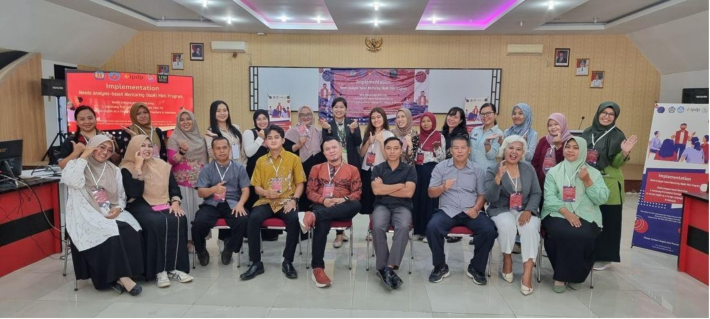
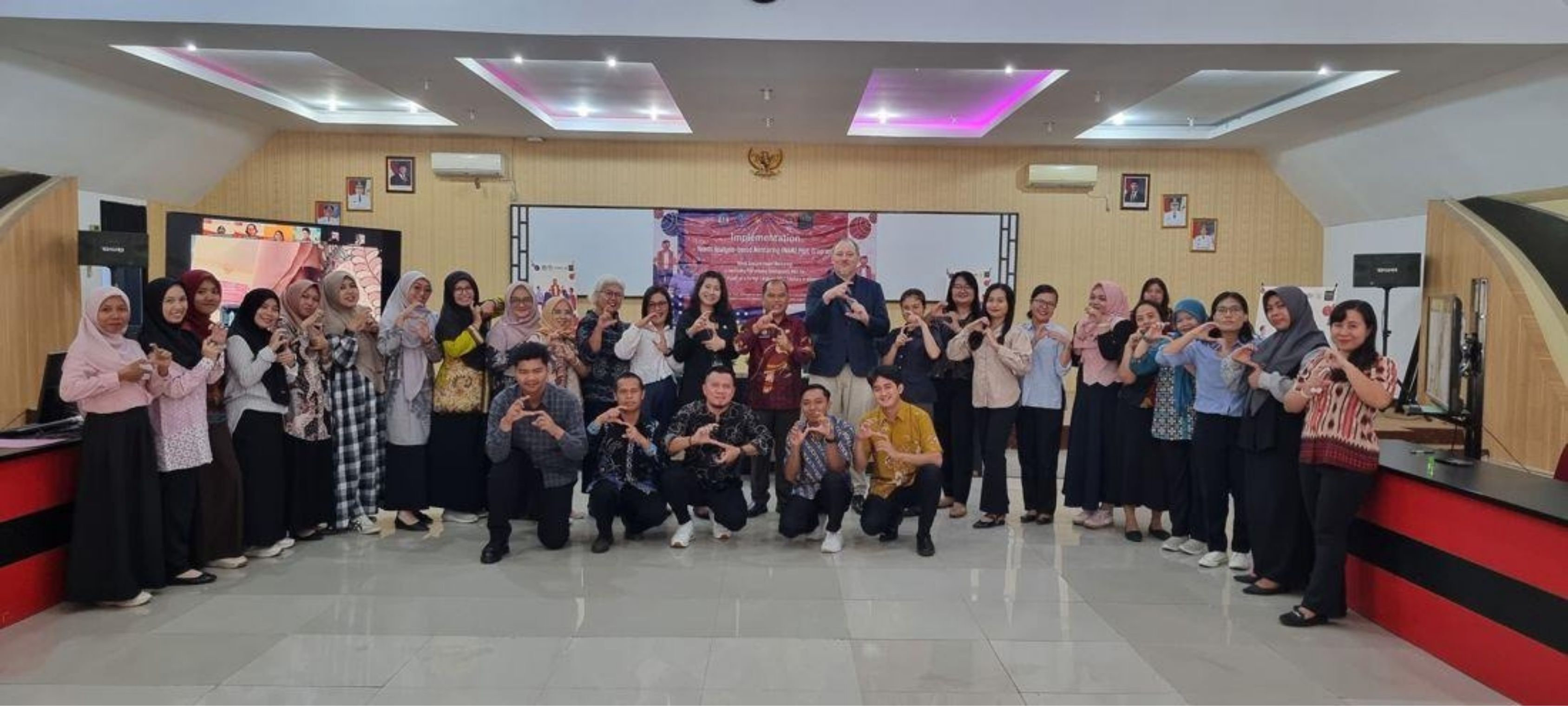
YOGYAKARTA — In an effort to reshape continuing professional development (CPD) for English as a Foreign Language (EFL) teachers in Indonesia, academic mentor Markus Budiraharjo has played a pivotal leadership role in the Needs Analysis-based Mentoring (NAM) Pilot Program. Spearheaded in collaboration with researchers from the University of New England, the NAM initiative bridges academic research and real-world classroom challenges across eight core professional competencies.
Serving as the lead mentor for Group 4—which supports secondary school English educators in Sanggau Regency, West Kalimantan—Budiraharjo has championed a human-centered, narrative-driven approach to professional growth. Moving beyond rigid administrative checklists, his mentoring methodology combines weekly hybrid sessions with daily reflective e-mentoring via WhatsApp, encouraging teachers to "slow down" and engage in critical self-inquiry.
Storytelling and the Power of Vulnerability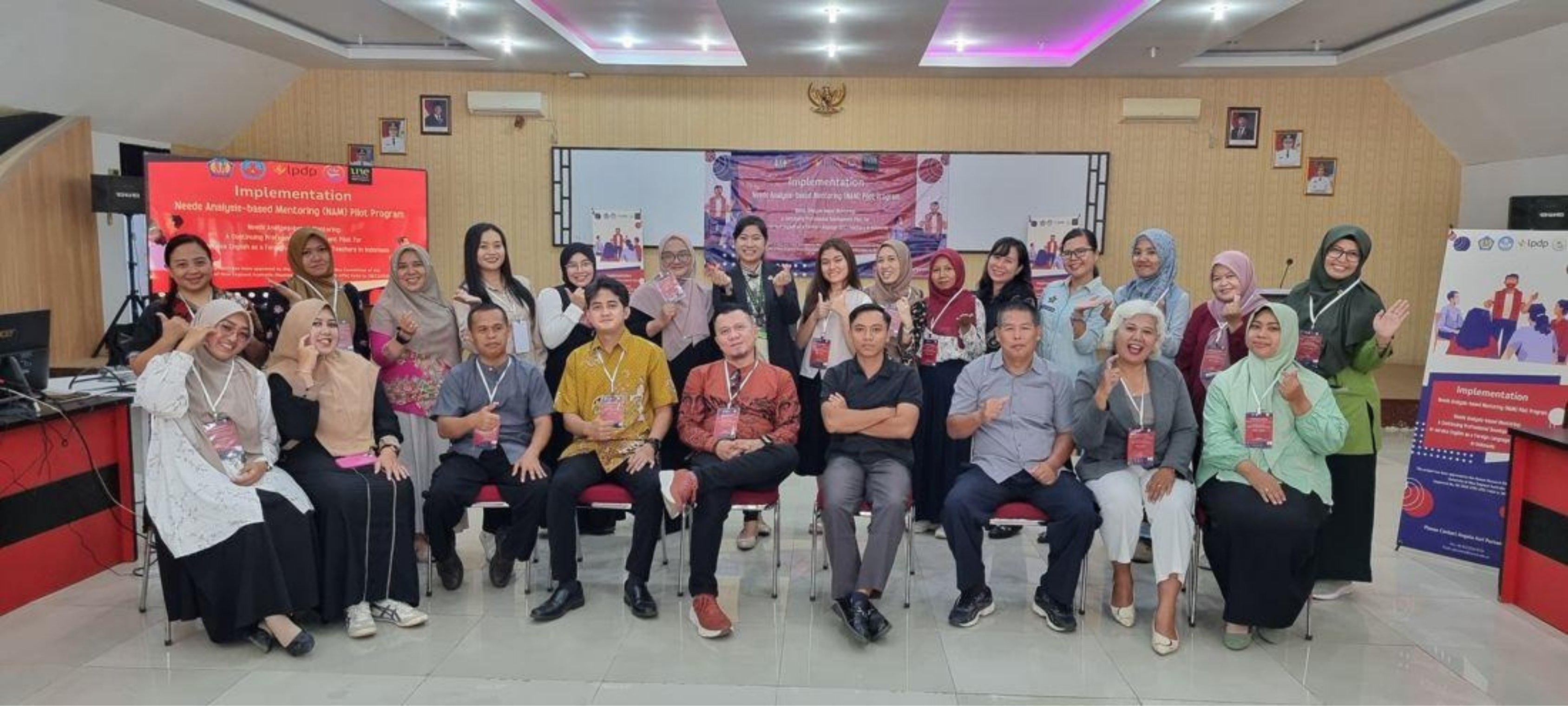
A defining feature of Budiraharjo’s participation in the NAM project is his use of personal storytelling to establish a safe, judgment-free space for participants. By sharing candid anecdotes—such as his own professional evolution from a rigid "Mr. Perfectionist" to an empathetic listener, and personal narratives exploring identity ("Who Am I?")—Budiraharjo models pedagogical vulnerability. This open dialogue provides crucial psychosocial support, encouraging teachers to share classroom hurdles without fear of negative evaluation.
Local educators in his cohort, including Fitria Kamaliana, Uray Jimmi Gufian Nalaprana, Agnez, and Yakup Akiong, have noted that this empathetic environment helps them confront persistent challenges such as student reading anxiety, wide skill gaps, and low motivation.
Pedagogical Shifts: From Tasks to Real-World Projects
Throughout the six-week pilot framework, Budiraharjo has pushed educators to transition from technical, worksheet-driven instruction (task-based learning) toward authentic Project-Based Learning (PjBL). Under his guidance, teachers have explored student-centered initiatives, such as student-led podcasts focusing on local cultural traditions, to foster real-world communication and leadership skills.
To address severe disparities in student ability, Budiraharjo advocates an "abundance mentality"—encouraging teachers to form heterogeneous, "nourishing" student groups where peers support one another rather than compete. Furthermore, he introduced the "Feynman Principle," challenging instructors to distinguish between merely knowing a concept and deeply understanding it by learning to explain complex linguistic and pedagogical ideas in simple, accessible terms.
Navigating AI and Digital Challenges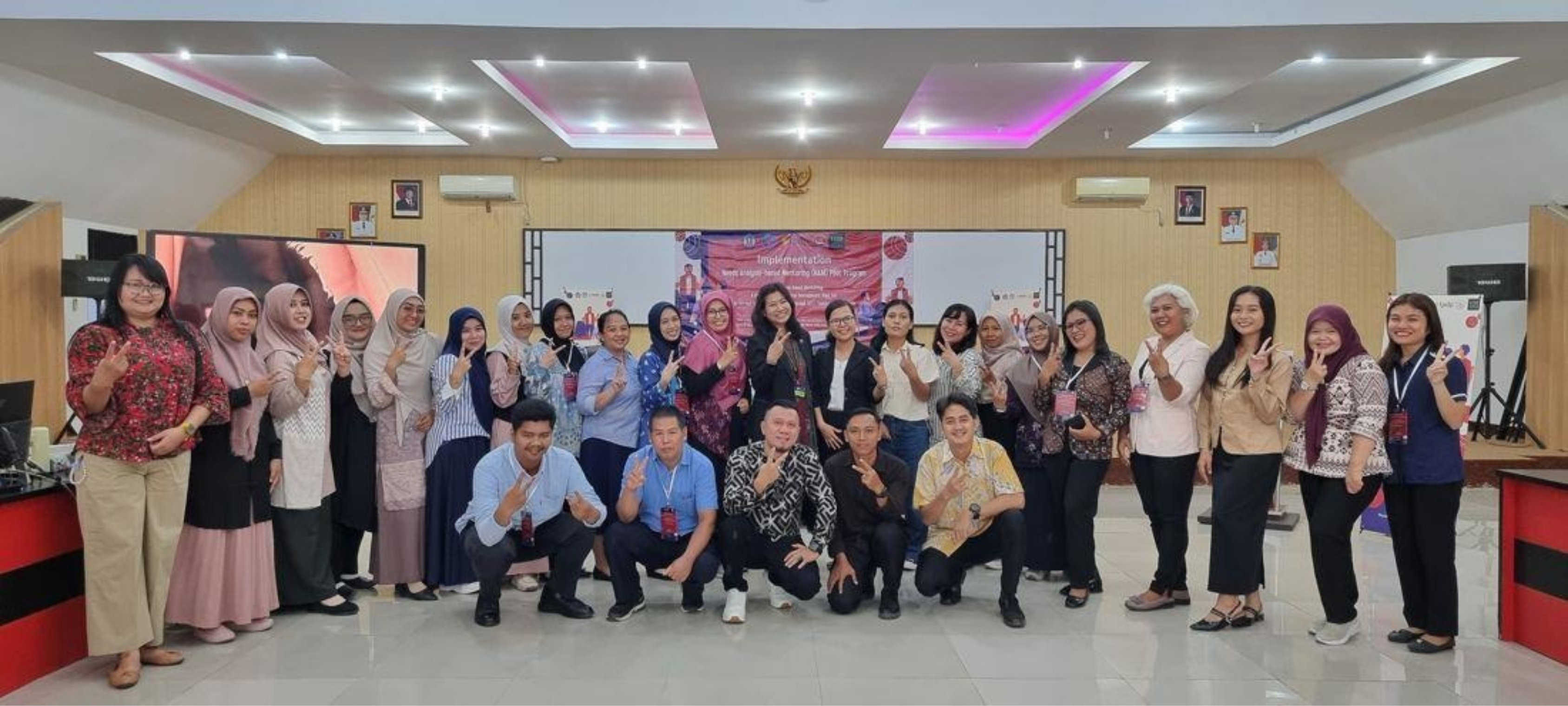
Budiraharjo’s mentorship also equips educators to navigate contemporary digital hurdles, such as shortened attention spans influenced by social media algorithms—a phenomenon described as "TikTok brains". Rather than avoiding emerging technology, Budiraharjo guides teachers in the ethical and creative adoption of Generative AI. He famously reminded participants that while AI will not eliminate teachers, it will replace those who refuse to learn how to use it constructively. His practical strategies include "thinking-out loud" exercises and comparative analysis between student-written drafts and AI-generated text to maintain critical thinking and intellectual integrity.
A Lasting Legacy for Indonesian CPD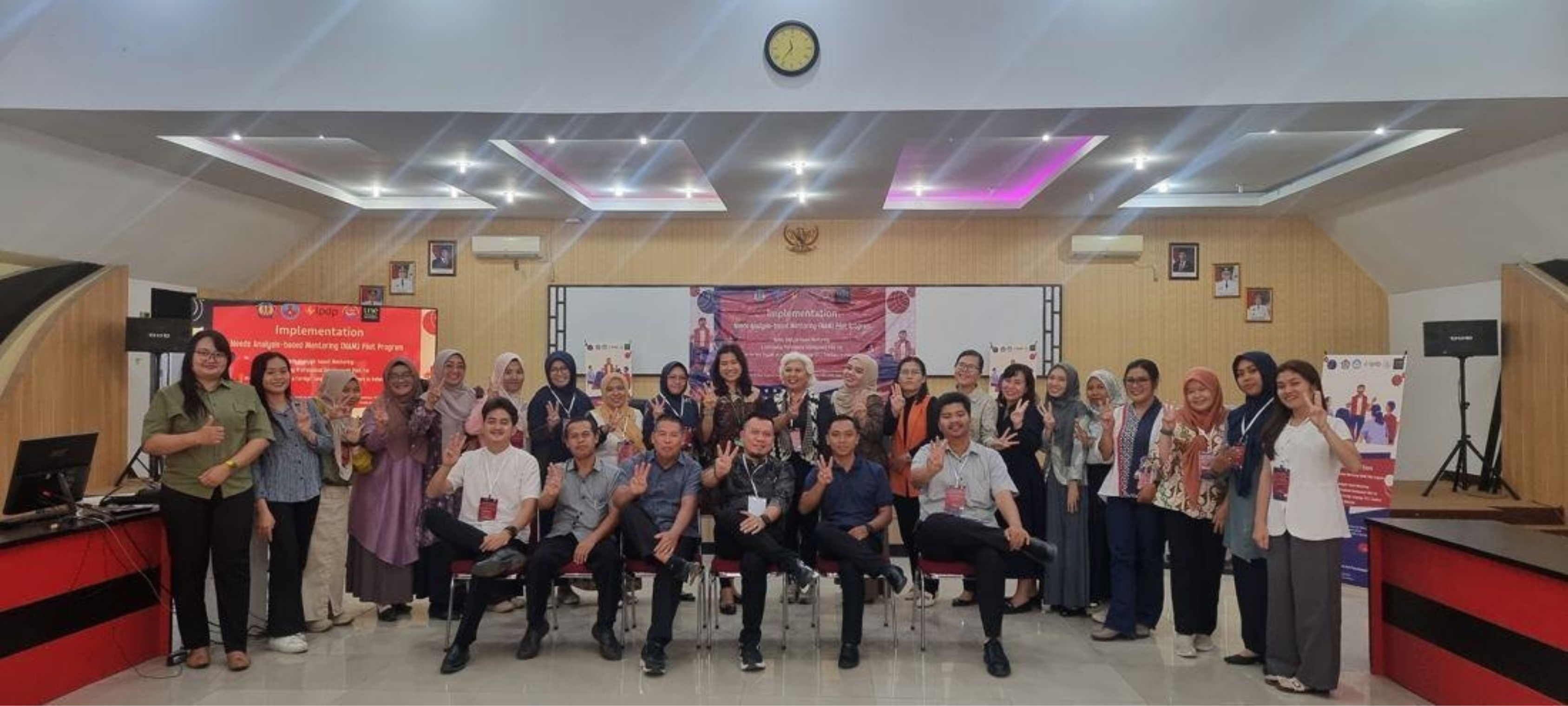
Through his multidimensional role as a storyteller, methodologist, and empathetic mentor, Markus Budiraharjo has demonstrated that effective teacher mentoring rests on moral purpose, active listening, and context-responsive support. The positive shifts observed among Sanggau’s EFL educators offer compelling, evidence-based insights for future national teacher training programs across Indonesia.
- Transforming EFL Education: Markus Budiraharjo's Storytelling and Reflective Mentoring Drive Success in NAM Pilot Program
- Juthatip Mingkun and Co-Researchers Explore Cross-Cultural Teaching Experiences in Thailand
- Caku and Co-Researchers Examine Code-Switching in Viewer Comments on Indonesian Educational YouTube Channel
- MPBI Students, Gabriela and Friends Publish Research Article in Journal of English Educational Study (JEES)
- MPBI Shares Ideas on SDG 4 and Educational Transformation at International Forum
- MPBI Opens 2026 Scholarship Programme for Outstanding Sanata Dharma Alumni
- Becoming a Living Witness: Master’s Program of English Education, Sanata Dharma University Professor Empowers Lay Ministers in St. Maria Assumpta, Parish, Gamping Through Public Speaking Workshop
- Exploring the Responsible Use of Generative AI in Education: MPBI Hosts National Webinar on Ethics, Practices, and Collaboration
- English Mastery and Mindful Pedagogy: Sleman Educators Navigate Digital Friction at SMAN 2 Ngaglik
- Generative AI for Education: Ethics, Practices, and Collaboration